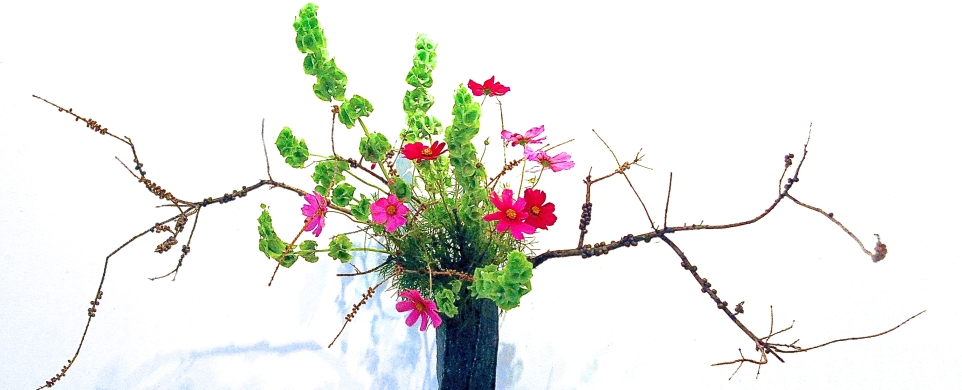
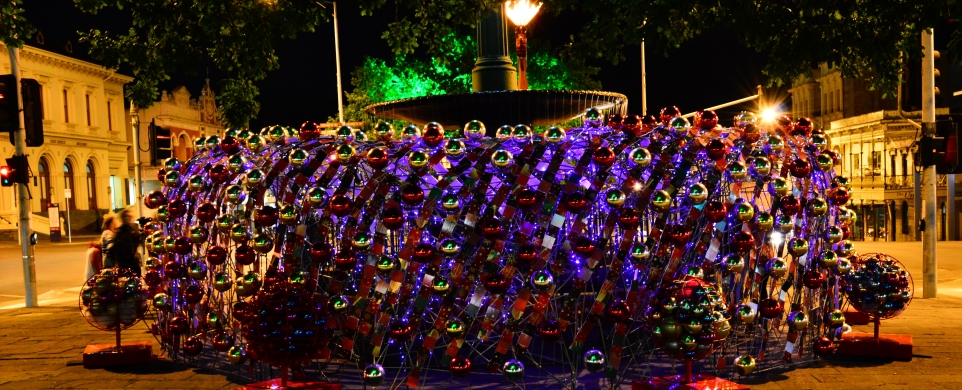
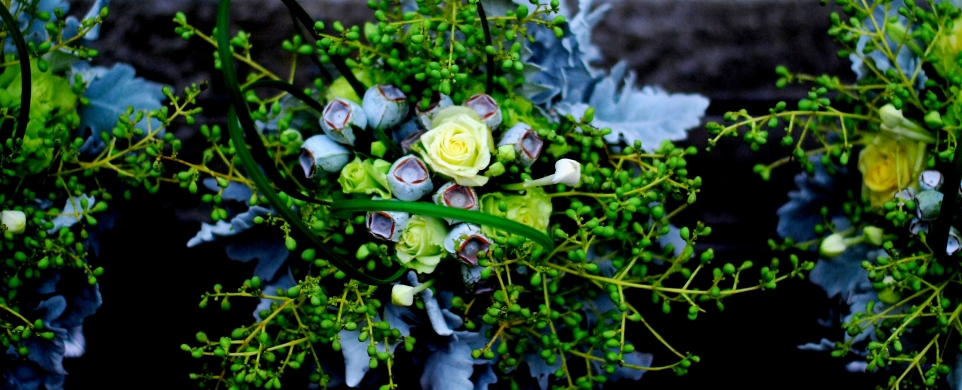
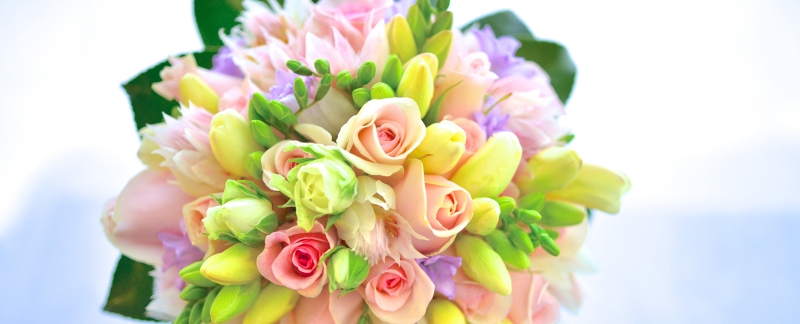

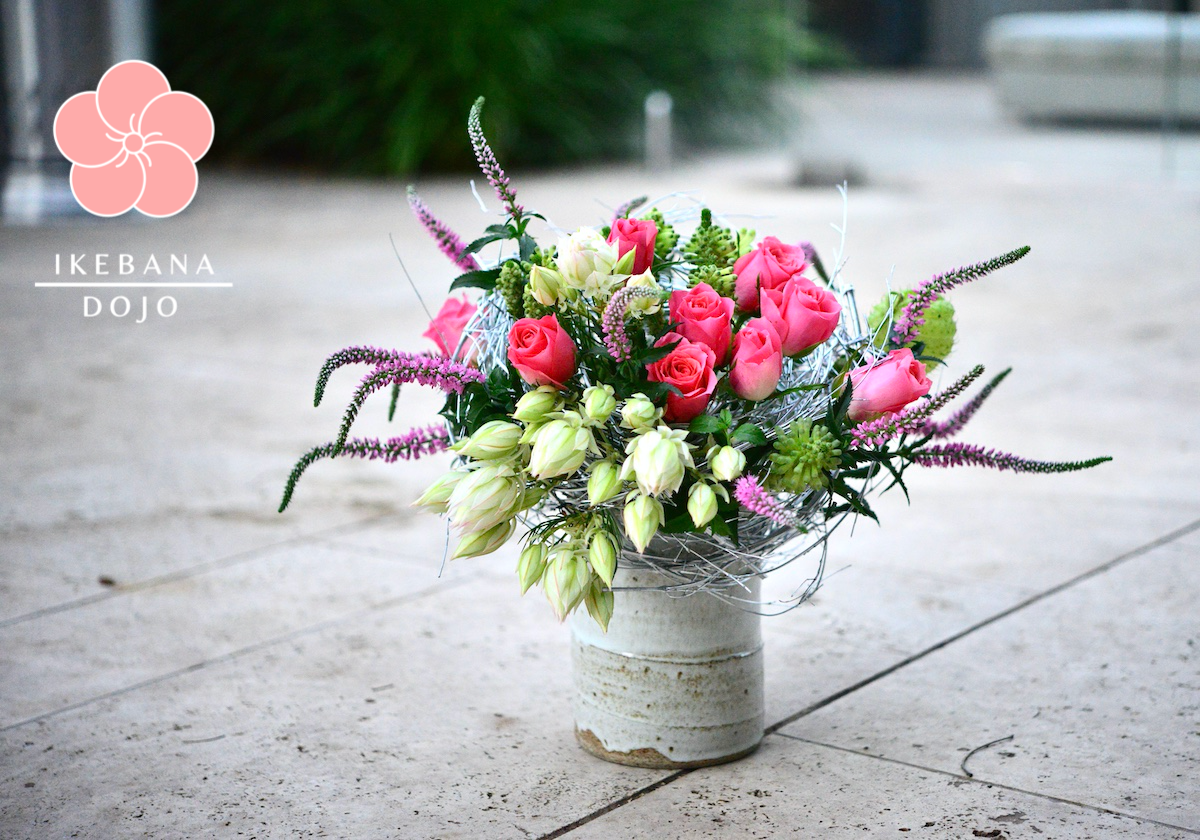
To promote the Melbourne Ikebana Festival Shoan and Shoso exhibited at the Melbourne International Flower and Garden Show. The Show is on till 24 March Sunday. https://www.ikebanafestival.com

11:00 - 12:30, Saturday 11 May 2024
Murrumbeena, Melbourne
$100 per person
Booking
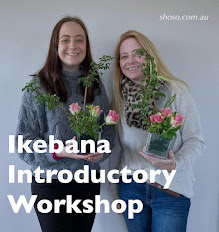
Indulge in a 90-minute Ikebana flower-arranging class with your mother. Perfect for beginners, immerse yourself in this Japanese art of flower arrangement in Melbourne.
Led by experienced teacher Shoso, you'll receive a brief introduction to Ikebana and learn the basics to kickstart your Ikebana journey. Create your own small Ikebana arrangement to take home, along with newfound knowledge and skills.
Afterward, relish Japanese tea at Shoso’s stunning Japanese garden, as featured on ABC Gardening Australia.
Please note:


We are delighted to announce the launch of Hanadayori 2023 Part 2. You can explore the captivating creations at [https://www.ikebanafestival.com/hanadayori-2023/hanadayori-2023-part-1-2-launched].
We extend our sincere gratitude for your valuable contribution, to showcasing ikebana's profound beauty and power to a wider audience. Your patience during the postponements is truly appreciated.
As we unveil Hanadayori 2023 Part 1 & 2, we are deeply moved by ikebana artists' genuine and respectful expressions towards viewers and those who made special requests. Our aspiration for Hanadayori was to foster a meaningful, even spiritual connection between artists and viewers, and we are thrilled to see this vision come to life in Hanadayori 2023. The project underscores that ikebana's essence lies in developing the skill to quietly speak to the soul of others through meditation on nature.
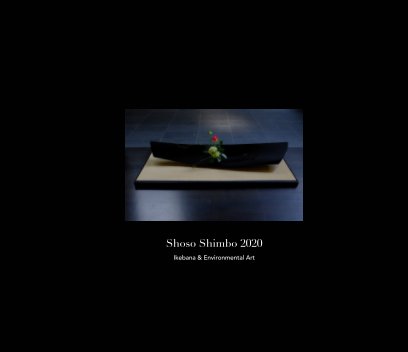
Looking ahead, we are actively working on the launch of the Hanadayori 2023 photobook. A sneak peek of the front cover is attached. We anticipate commencing the photobook sale by the end of 2023. While we aim to include all the remarkable works received, the final selection may be influenced by the quality of the photos.
Proceeds from the photobook sales will be allocated towards production costs, and any surplus (though unlikely) will contribute to the ongoing expenses of the Wa Melbourne Ikebana Festival.
Once again, we sincerely thank you for your cooperation in making this project an integral part of the Wa Melbourne Ikebana Festival. We look forward to your participation in Hanadayori 2025 and our exhibition at the festival in September 2024.
Special appreciation goes to our dedicated volunteer team and the generous support from our major sponsor, Metascent. They have crafted the Hanadayori collection, a new set of perfumes, appreciating the spirit and significance of our Hanadayori project.
Thank you for being a crucial part of the Hanadayori journey.
Warm regards,
花信にご協力いただいた方々へ
おかげさまで以下のようにHanadayori 2023 Part 2を公開することができましたのでお知らせいたします。
https://www.ikebanafestival.com/hanadayori-2023/hanadayori-2023-part-1-2-launched
世界の方々にいけばなの力を示すこの活動にご貢献いただき、誠にありがとうございました。なお、さまざまな理由により、公開が予定より遅れましたことをお詫びします。
Hanadayori 2023 Part 1&2を拝見し、いけばなアーティストの皆さまが鑑賞者、特にリクエストをされた方々に対し、真摯で敬意に満ちた態度で対応されていることに感銘を受けました。Hanadayoriプロジェクトがアーティストと鑑賞者との間により深い、ひいては精神的なつながりをも生み出せることを願っていましたが、この願いが叶えられたことを嬉しく思います。Hanadayori 2023は、いけばなのひとつの目標が、自然を瞑想することを通じ、他者の魂に静かに語りかけるスキルを育てることであることを明確に示しています。
現在、Hanadayori 2023の写真集の発売に向けて取り組んでいます。添付のように井口氏の作品を用いた表紙を予定しています。写真集の売上げから得た収益は、写真集の制作コストに充てられます。もし売上げが制作コストを上回る場合(それは考えにくいですが)、余剰分は和·メルボルン生け花フェスティバルの運営費用に充てさせていただきますのでご了承願います。
和·メルボルン生け花フェスティバルの重要な一環であるこのプロジェクトへのご協力に再度感謝申し上げます。Hanadayori 2025へのご参加、さらに、2024年9月のフェスティバルでの華展へのご参加もぜひご検討ください。
なお、当方のボランティアチームの尽力と、当プロジェクトの精神と意義を評価してくださった主要スポンサー、Metascentへもお礼申し上げます。当プロジェクトに因んだ新しい香水セット、Hanadayoriコレクションを発売し、助成していただいています。


Application opens in November 2023. Book from our Schedule page.
Visit our Curriculum page to find out why our one-year Ikebana Dojo program would help all ikebana students and teachers.
We believe that there is a gap between basic styles and freestyles in many ikebana courses. After learning basic styles, students are encouraged to make freestyles such as "vertical arrangement" or "horizontal arrangement". However, where is the connection between the basic and freestyles? The approach used in such courses can be called a style-based approach to freestyle ikebana. Such courses make many students confused, and will never teach the most important aspect of ikebana: Meditation.
Unfortunately, many ikebana practitioners, in particular outside Japan, are learning freestyle ikebana using the style-based approach, copying good "designs"(or something visible), and producing ikebana-like works that lack vital energy. The style-based approach is useful in learning basic styles because you can usually follow diagrams to make a good ikebana.
To make a good freestyle ikebana, however, you need to develop a different competence to see and actualise invisible principles through meditation. Those ikebana principles are not easily visible but recognizable if gazed at by a selfless mind. We call such an approach the principle-based approach, which we use in Ikebana Dojo. We are trying to teach ikebana as art not as design.
Our courses intend to teach the true essence of ikebana.
上記の英語をGoogleの翻訳機能で日本語に訳してみました。下記の通り驚くほど性能が向上していますね。
申し込みは 2023 年 11 月に開始されます。スケジュール ページからご予約ください。
私たちの 1 年間のいけばな道場プログラムがすべてのいけばな生徒と教師に役立つ理由を知るには、カリキュラム ページをご覧ください。
多くのいけばなコースでは、基本スタイルとフリースタイルの間にギャップがあると私たちは考えています。基本的なスタイルを学んだ後は、「縦配置」「横配置」など自由なスタイルを作っていきます。しかし、ベーシックとフリースタイルの関係はどこにあるのでしょうか?このような講座で行われるアプローチは、フリースタイルいけばなに対するスタイルベースのアプローチと言えます。このようなコースは多くの生徒を混乱させ、生け花の最も重要な側面を決して教えません。瞑想。
残念なことに、多くの生け花実践者は、特に日本国外で、スタイルベースのアプローチを使用してフリースタイル生け花を学び、優れた「デザイン」(または目に見えるもの)をコピーし、生命エネルギーに欠ける生け花のような作品を制作しています。スタイルベースのアプローチは、通常は図に従うことで優れた生け花を作成できるため、基本的なスタイルを学ぶのに役立ちます。
しかし、優れたフリースタイル生け花を作るには、瞑想を通じて目に見えない原理を理解し、実現するための別の能力を開発する必要があります。これらの生け花の原則は、簡単に目に見えるものではありませんが、無私な心で見つめれば認識できます。このようなアプローチを私たちは原則ベースのアプローチと呼び、いけばな道場ではそれを採用しています。
私たちのコースは生け花の真髄を教えることを目的としています。


Hanadayori is a Japanese word that means that the flowers you have been waiting for have bloomed. Hanadayori: Ikebana by Request 2023 will be launched on our website in June as part of the Wa Melbourne Ikebana Festival. It is a photographic collection of personal arrangements made by Ikebana masters and practitioners around the world in response to specific requests.
To celebrate the launch of Hanadayori 2023, Metascent has created a new suite of perfumes, the Hanadayori Collection. The collection includes three types of perfume, which have been newly developed using the Japanese plant essences of sakura, yuzu and hinoki. The Hanadayori Collection is a celebration of nature by Metascent.
You can pre order the Hanadayori Collection from now to June 2023. Your purchase will support the Wa Melbourne Ikebana Festival, which will be held on 7 & 8 September 2024.




Senno Kuden (16th century) historically presents the most influential definition of ikebana, which includes both ontological and epistemological concerns in representation. Although the former contributed to the development of the common definition of ikebana as a symbolic representation of nature or the universe, the latter has been largely ignored. This study points out that the latter has not only significant meanings in understanding Senno’s teaching on ikebana, but also a strong connection with the traditional Japanese aesthetics that values contemplative awareness of the transiency of beings.
Author InformationThis paper is part of the KAMC2022 Conference Proceedings (View)
Full Paper
1. View / Download the full paper in a new tab/window
2. Academia
To cite this article:
11 March 2023: Ikebana Introduction Workshop ($60)
12 March 2023: Ikebana Workshop at Glen Eira City Gallery
18 March 2023: 1000 Ikebana Challenge (2022 Groups)
25 March 2023: 1000 Ikebana Challenge (2023 Groups)
25 March 2023: International Society of Ikebana Research (ISIR) 40th Regular Conference - Free online event
29 March - 2 April 2023: Melbourne International Flower & Garden Show. Shoso and some of his students will exhibit at the shop window displays section.
29 April 2023: Ikebana Introduction Workshop ($60)
3 May 2023: Art of Bloom Cocktail Party, National Gallery of Victoria
4 & 5 May 2023: Art of Bloom, National Gallery of Victoria. Shoso has been selected as an exhibitor.
6 May 2023: Term 2 starts for our Certificate Courses
12 May 2013: Ikebana in School (Saint Maria College)
13 May 2023: Zoom Ikebana Dojo, Ikebana Aesthetics Program Level 2 starts
13 May 2023: Ikebana Introduction Workshop ($60)
27 May 2023: Ikebana Introduction Workshop ($60)
31 May 2023: Deadline for submitting works for selected Hanadayori artists
June 2023: Launch of Hanadayori 2023
17 June 2023: Ikebana Introduction Workshop ($60)
24 - 30 June 2023: Application opens for Ikebana Gallery Award 2023
July 2023: 1000 Ikebana Challenge starts for a new group
7 & 8 September 2024: Wa Melbourne Ikebana Festival
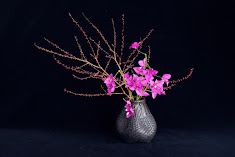
Shoso talked about Ikebana and Japanese garden in the ABC's Gardening Australia. Click the image or visit this to see his story. http...






.jpg)


